 Referrals
 Packages
 Book Online



When Is Functional Medicine Lab Testing Helpful?
Laboratory testing can help identify certain medical conditions, nutritional deficiencies, and changes in how your body is functioning. It can also provide useful information for monitoring an existing condition or evaluating persistent symptoms.
You may benefit from discussing additional testing if you are experiencing:
- Ongoing fatigue, low energy, or difficulty concentrating
- Unexplained changes in weight or metabolism
- Digestive discomfort or changes in bowel habits
- Symptoms that may be related to hormonal changes
- Concerns about nutritional deficiencies
- Possible exposure to tickborne infections or environmental hazards
- Questions about bone health or other conditions that may require imaging
These symptoms can have many possible explanations. Some may be investigated through bloodwork, while others require a different type of evaluation.
Our approach begins by determining which questions need answers and whether testing is likely to help.
How Is Functional Medicine Testing Different From Routine Bloodwork?
Functional medicine takes a broad view of health, considering how medical history, lifestyle, nutrition, sleep, and other factors may relate to a patient’s concerns.
This does not mean conventional laboratory testing is less valuable. Standard diagnostic tests remain essential for identifying many medical conditions, and established clinical reference ranges provide important context for interpreting results.
In our functional medicine approach, testing is one part of a larger evaluation. We consider what your results mean in the context of your symptoms, current medications, health history, and goals.
The value of a test comes from the question it answers and how its findings may inform a decision. More testing is not necessarily better testing.
Or Call (816) 272-0061




Understanding What’s Available
Functional Medicine Labs
Different tests provide different kinds of information. Depending on your health history and clinical needs, our team may recommend foundational bloodwork, targeted laboratory assessments, or diagnostic imaging.
Foundational Bloodwork and Metabolic Testing
Routine blood tests are often a useful starting point for investigating changes in energy, metabolism, and general health. They can help identify concerns that may not be apparent from symptoms alone. Depending on your situation, testing may assess blood sugar, thyroid function, blood counts, cholesterol, kidney and liver function, or markers associated with specific nutritional deficiencies.
We review existing results before considering additional testing. This helps us focus on information that may influence your care rather than ordering an extensive panel without a clear reason.

Hormone, Nutrient, and Digestive Health Testing
Changes in sleep, energy, digestion, and weight can sometimes prompt questions about hormones, nutrition, or gastrointestinal health. Testing may help investigate these concerns when symptoms and medical history suggest a particular issue. Depending on your clinical evaluation, recommendations may involve hormone assessments, nutritional testing, or targeted investigations of digestive concerns.
Some commercially available microbiome and food-sensitivity panels have limited evidence for routine clinical use. We consider a test’s reliability and whether its findings could meaningfully guide your care before recommending it.
Tickborne Illness and Environmental Exposure Testing
A history of tick exposure, certain symptoms, or suspected contact with environmental hazards may warrant further investigation. The appropriate approach depends on the circumstances rather than a broad screening panel.
For example, Lyme disease testing is most useful when symptoms and exposure history support the possibility of infection. Testing for heavy metals or other environmental exposures should likewise be selected according to recognized clinical indications. Our goal is to help you understand which investigations may be appropriate, what their results can tell us, and where additional medical evaluation may be needed.

DEXA Scans and Other Diagnostic Imaging
Laboratory tests are not the only tools used to evaluate health concerns. In some situations, imaging provides information that bloodwork cannot.
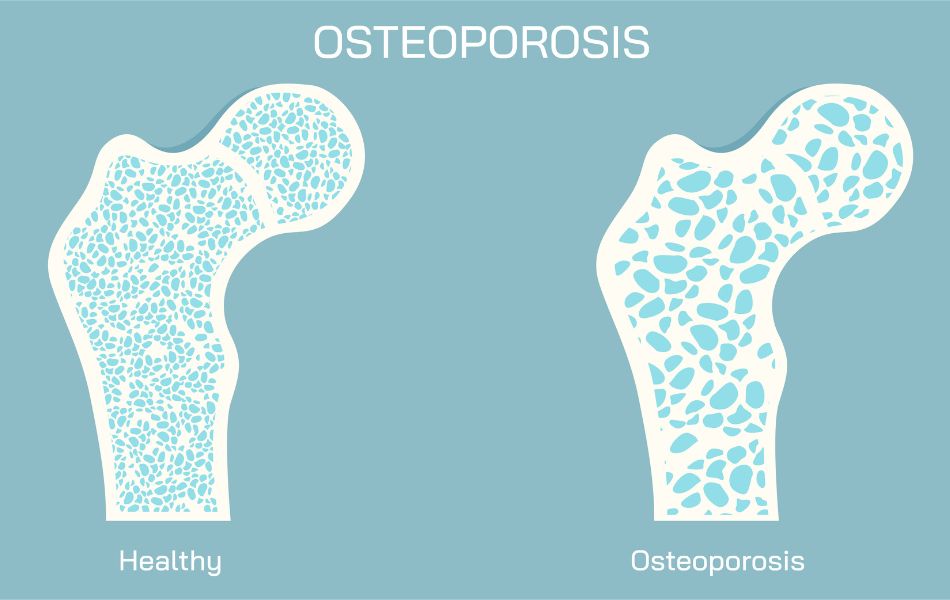
A DEXA scan, also called a DXA scan, measures bone mineral density and may be recommended when osteoporosis screening is appropriate. Other studies, including X-rays, CT scans, or MRIs, may be considered when specific symptoms or clinical findings justify them.
Our team can discuss whether imaging should be part of your evaluation and how to coordinate appropriate studies.

What to Expect During Your Lab Testing Consultation
You do not need to arrive knowing which laboratory tests to request. We begin by understanding what has been happening and reviewing the information already available.
Your evaluation may include four steps.
- Discuss Your Health Concerns. We review your symptoms, medical history, medications, lifestyle, and relevant health goals.
- Review Existing Results. If you have recent laboratory reports or imaging findings, we consider whether they already provide useful answers.
- Determine Appropriate Testing. When additional testing is justified, we explain what it evaluates, why it may be useful, and any important limitations.
- Review Findings and Next Steps. Results are interpreted in the context of your overall health, and we discuss whether follow-up, monitoring, or another type of medical assessment is warranted.
Not every consultation leads to additional testing. In some cases, existing information may be sufficient to identify a reasonable next step.
We also encourage patients to ask about laboratory costs, insurance coverage, and any preparation instructions before completing recommended tests.
Using Your Results to Guide Your Health Plan
A laboratory result is most useful when it helps answer a meaningful health question. For example, identifying a nutritional deficiency may prompt a discussion of dietary intake, possible underlying causes, and appropriate supplementation. Changes in thyroid or metabolic markers may require additional evaluation or coordination with another healthcare provider.
Our team considers how relevant findings relate to your symptoms and daily habits. When appropriate, your plan may include nutrition guidance, lifestyle changes, monitoring, or referral for further medical care.
We also recognize that not every symptom will have an identifiable laboratory explanation. When results are normal or inconclusive, we consider what other information may be needed rather than assuming additional testing will provide the answer.

Discuss Your Lab Testing Options in Lee’s Summit
You deserve clear answers about your health concerns and an explanation of which tests may actually be useful.
At KC Center for Longevity & Functional Medicine, we help patients in Lee’s Summit and the greater Kansas City area take an informed approach to laboratory testing and ongoing wellness.
Call our team at (816) 272-0061 or request a consultation to discuss your concerns and possible next steps.
Or Call (816) 272-0061












Helpful Tips & Info
Patient Education Articles

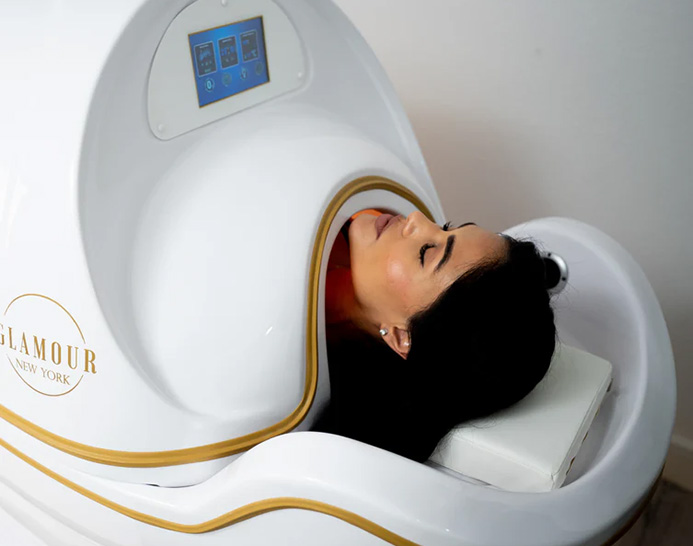
Oxygen Wellness Therapy for Relaxation and Recovery
Our Kansas City wellness spa offers restorative therapies in a calm, luxurious setting. One of.

Where Wellness Meets Advanced Care
KC Center for Longevity & Functional Medicine offers a distinctive environment where medical-grade science.

From Fatigue to Vitality: An Approach to Wellness
A personalized approach to health focuses on identifying the underlying causes of symptoms rather.